In the Spotlight 

Let’s Read with The Smith Family 

The Smith Family’s Let’s Read Professional Learning program supports early childhood professionals to work with families to build positive literacy experiences for children from birth to five years. 

Training involves one online or face-to-face session and counts towards annual professional development requirements. Participants who complete the training receive: 

  • 15 free Let’s Read book packs 
  • Access to online literacy activities and resources to share with families. 

    Online sessions are planned for November 2026, February 2027, and April 2027. A face-to-face session is also planned for April or May 2027. 

    Register for online training or learn more about Let’s Read. 

    The Let’s Read project is supported by the Australian Government Department of Education. 

    Looking Ahead 

    A stronger policy environment for children and families 

    The importance of place-based collaboration and reaching families where they are at is increasingly reflected in broader conversations about early childhood development and wellbeing. 

    During the recent Thriving Kids discussion, Village was specifically recognised as an example of collaborative, place-based work in Belconnen. 

    Rachel Stephen-Smith MLA referred to the initiative, saying: 

    “Initiatives like A Village for Every Child in Belconnen have been previously set up to try to address those issues and ensure that we’re reaching the children and families who might not necessarily engage….” 

    She went on to discuss the importance of reaching families who might not otherwise engage with services, meeting families where they are at, and the role of initiatives such as Village in achieving this. 

    She also specifically acknowledged the collaboration between the University of Canberra and Village, referring to evidence of positive impact on AEDC outcomes. 

    “…through things like the establishment of A Village for Every Child, in Belconnen, which has seen an impact.” 

    These comments are an encouraging recognition of the value of sustained local collaboration and the importance of connecting research, community knowledge and service delivery. 

    Congratulations to our new Deputy Chief Minister 

    We extend our congratulations to Rachel Stephen-Smith MLA on her appointment as ACT Deputy Chief Minister and her new responsibilities for Child Development and Wellbeing. 

    Following the ACT Government’s recent Cabinet restructuring, the new portfolio reflects a commitment to integrated services, early intervention and stronger support for parents and carers. 

    She has outlined her focus as 

    “Building a network of services that meet families where they’re at and sets all children up for the brightest possible future.” 

    This vision closely aligns with the work Village has been progressing across Belconnen. 

    We are excited about the prospect of working alongside Deputy Chief Minister and our government partners to help bring both federal and local government policy ambitions into practice. 

    Place-based initiatives such as Village provide an established platform through which policy priorities can connect with local knowledge, community relationships and the practical experiences of families and practitioners. 

    As the Thriving Kids initiative and CYFSP commissioning processes progress, we anticipate opportunities to strengthen collaboration, improve connections between services and further support families with young children. 

    Our focus will remain on ensuring that these developments build on the strengths of existing community partnerships and contribute to the shared goal of giving every child the best possible start to life. 

    Together, we are building something that lasts 

    The work of Village is not defined by individual meetings, events or projects alone. Its value lies in the relationships being built, the knowledge being shared, the barriers being identified and the collective capacity being strengthened across our community. 

    Every resource developed, every new partnership formed, every conversation with a family and every opportunity to learn together contributes to a broader effort to improve the systems surrounding children and families. 

    As we reflect on the past few months, we are grateful to our Leadership Group, Working Groups, community partners, families, presenters and supporters who continue to contribute their time, expertise and commitment. 

    It takes a Village to raise a child. Together, we are continuing to build one where every child has the opportunity to thrive. 
    Backbone Support

    Sustaining the work behind the work 

    Collective Impact relies on dedicated backbone support to coordinate partners, facilitate collaboration, maintain momentum and ensure that the shared agenda continues to guide collective efforts. 

    As Village progresses through its current phase, we are undertaking a mid-point review to reflect on our progress, consider emerging needs and identify opportunities to strengthen the sustainability of the initiative. 

    This work is supported by committed Leadership Group members and a subcommittee focused on understanding and supporting Village’s ongoing sustainability and advocacy. Their contribution is particularly important as we consider how to maintain the relationships, structures and collaborative capacity that have been developed over time. 

    Sustainability is not simply about maintaining existing activities. It is about ensuring that Village remains a meaningful platform for collaboration, capable of responding to changing community needs and contributing to the longer-term improvement of early childhood systems across Belconnen. 

    The commitment of our Leadership Group, Working Groups and partners continues to provide a strong foundation for this next phase.

    Continuous Communication 

    Keeping the conversation moving 

    Strong collaboration depends on regular, open and purposeful communication. 

    Village continues to maintain connections across its network through: 

    • Regular Leadership Group meetings that support strategic direction, shared decision-making and oversight. 
    • Routine Working Group meetings that enable partners to progress activities, share information and respond to emerging needs. 
    • Ongoing communication with collaborative partners and stakeholders. 
    • Website updates, newsletters and social media to share resources, activities, opportunities and developments across the Village network. 

    Our website remains an important access point for families, practitioners and organisations seeking information about Village, local services and early childhood resources. 

    Our digital presence 

    Average Monthly Website Data 

    • Number of users: 3,100 
    • Direct search: 2,500 
    • Page Views: 3,800  
    • Sessions:  3,400 
    • Resource Downloads: 92

    These figures provide a useful benchmark for understanding the role of the website in connecting people with Village information.  

    Our ongoing communication aims to ensure that the work happening within our collaborative spaces is visible beyond the meetings themselves, helping partners remain connected and enabling more people to discover opportunities to participate. 

    Stay connected with Village: 

    Shared Measurement System 

    Building a stronger evidence base for collective action 

    Collective Impact requires partners to move beyond measuring individual activities in isolation and develop a shared understanding of progress, outcomes and community needs. Village is engaging with collaborative partners to strengthen the use of evidence, best-practice approaches and relevant data in our work. 

    Recent conversations and engagement with the Australian Bureau of Statistics (ABS), the Life Course Data team, AEDC team, Frameworks and the Minderoo Foundation team, which is working on the Early Years Mindset Project, are examples of this commitment. These connections provide opportunities to explore how data, research and practice-based knowledge can inform our understanding of local needs and support more coordinated planning. 

    The intention is to embed evidence-informed approaches across our collaborative work, while recognising that meaningful change in children’s lives is not always immediately visible or easily captured through a single indicator. 

    Alongside quantitative measures, the experiences of families, insights from practitioners and learning generated through our working groups remain important parts of understanding progress. 

    Our shared measurement journey is therefore about developing a more complete picture of what is changing, for whom, and how collective efforts can continue to improve.

    Mutually Reinforcing Activities

    Different organisations, complementary contributions 

    Collective Impact recognises that complex community challenges cannot be addressed by one organisation or one program alone. Progress comes when partners contribute their different skills, knowledge and resources towards shared outcomes. 

    Across our working groups, this has translated into practical activities that respond to local needs while strengthening the broader early years system. 

    Building practical resources together 

    Play Working Group Resource Development 

    The Play Working Group continues to develop resources that support families and practitioners to recognise the importance of play in children’s development. This work helps translate knowledge into practical ideas that can be used in everyday family and early learning settings. 

    ADHD Action Group Developing a Shared Glossary 

    The ADHD Action Group has been progressing work on an ADHD glossary to support clearer, more consistent understanding of ADHD-related language. This collaborative resource aims to help families and professionals navigate information and conversations with greater confidence. 

    Schools as Community Hubs exploring new ways to connect 

    The Schools as Community Hubs project from Outreach Working Group continues to explore how schools can function as welcoming places for families to access information, services and community connections. By bringing services closer to where families already spend time, this work seeks to reduce barriers, strengthen relationships and create opportunities for earlier engagement. It is an example of how collaboration can move beyond service coordination towards considering how the wider system might work differently for families. 

    Learning together through community events 

    Over recent months, Village has also created opportunities for families, practitioners and organisations to come together through workshops and events. 

    Digital Literacy Skills Workshop 

    Supported digital confidence and access to information, recognising that navigating online services and resources is increasingly important for families. 

    Behaviour Challenges Workshop 

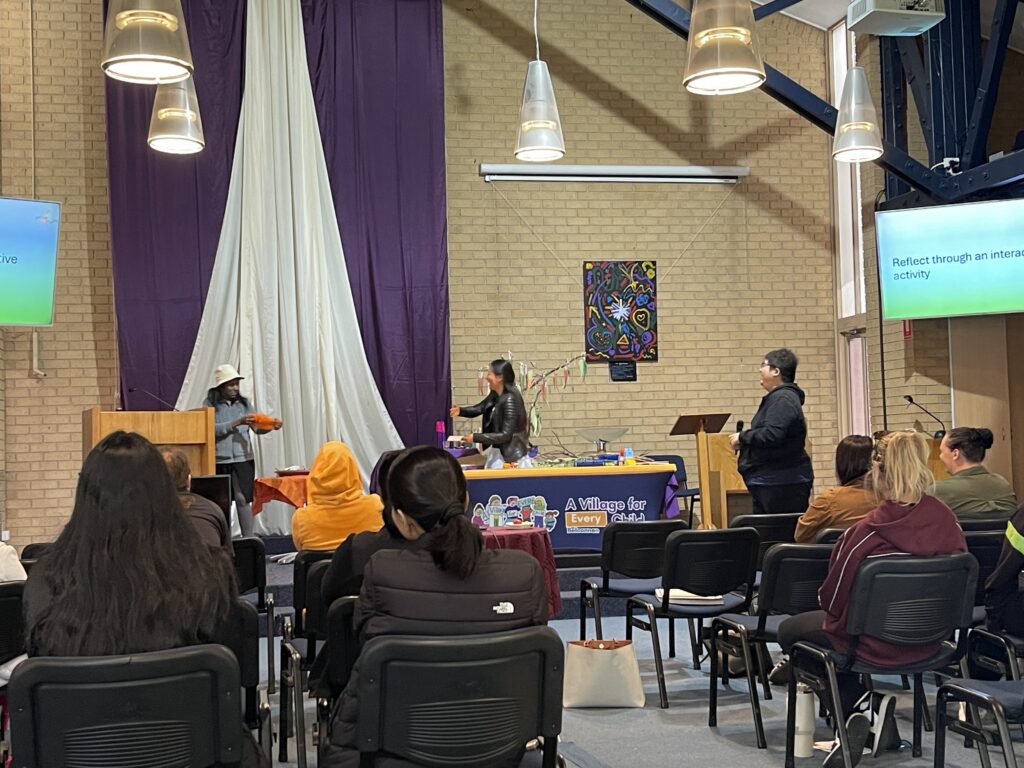
    Created space for families and practitioners to build understanding, share experiences and explore approaches to supporting children through behavioural challenges. 

    Early Learning Matters Event 

    Brought together multiple presenters and participants from across the early years sector to share knowledge, reflect on practice and strengthen connections. 

    The Early Learning Matters event was particularly valuable in creating space for different perspectives and areas of expertise to come together. The café style presentations and discussions provided opportunities to reflect on what is working, identify emerging needs and consider where further collaboration is required. 

    Importantly, the learnings from the day will help inform Village’s future activities and priorities. Rather than viewing the event as a standalone activity, we see it as part of an ongoing process of listening, learning and translating shared knowledge into action. 

    A growing network of partners 

    The value of this collaborative approach is also reflected in the organisations choosing to become involved in Village. 

    The engagement of Eat, Speak, Learn and Kids Dental Lounge, alongside other new and existing partners, adds to the collective expertise available to support children and families. 

    Each organisation brings a different perspective, service capability or connection to the community. By working together, these contributions can complement one another and help build a more connected support network. 

    This is the essence of mutually reinforcing activities: different organisations doing what they do best, while aligning their efforts towards a shared outcome. 

    Common Agenda

    A shared commitment, inspired by a lasting legacy 

    At the heart of Village is a simple but powerful belief that every child deserves the best start to life, and every family should feel supported, empowered and equipped to raise their children. 

    Our common agenda is to strengthen the systems surrounding children and families across Belconnen, ensuring that support is accessible, connected and responsive to local needs. This commitment has taken on a particularly meaningful dimension following the passing of Dolly Parton in August 2026. 

    Although Dolly may never have known the suburbs of Belconnen, her Imagination Library has helped bring the joy of books, reading and early learning into the lives of children and families here through the Kippax program. Her generosity reminds us that meaningful change does not always begin with knowing exactly where the impact will reach. Sometimes, it begins with a simple belief in what every child deserves. 

    We would like to dedicate this chapter of our Village journey to Dolly, a woman whose commitment to children’s literacy reached far beyond her own community and whose legacy continues to inspire people she would never meet. 

    Her Imagination Library embodies the spirit of our common agenda: investing in children’s potential, strengthening families and creating opportunities for learning from the earliest years.  

    A growing community of shared purpose 

    Since Dolly’s passing, we have also received interest from individuals and organisations who have learned about Village and the collaborative work taking place across Belconnen. 

    Among these are the Eat, Speak, Learn team, whose engagement has brought additional expertise and energy into our collaborative spaces. Their involvement, alongside Kids Dental Lounge’s engagement and contributions, reflects the growing interest in working together to address the needs of children and families. 

    New relationships are more than additions to a contact list. They represent opportunities to connect expertise, identify shared priorities and strengthen the collective capacity of our community. 

    As more organisations discover Village, our common agenda becomes something that is not simply stated in a strategy document but actively carried forward by the people and organisations who share it.

    ADHD Action Group

    ADHD Action Group – Navigating Change

    The system around ADHD is changing.

    Over the recent months, the ADHD Action Group has been tracking updates from the ACT Government aimed at improving access to diagnosis and support.

    One of the most significant changes is the expanded role of General Practitioners (GPs).

    In the past, ADHD diagnosis and medication were mostly managed by paediatricians and psychiatrists. Now that is beginning to change. With additional training, GPs will take on more responsibilities, including prescribing medication and, from late 2026, diagnosing ADHD and starting medication for suitable patients.

    For many families, this could mean shorter wait times and fewer steps to get support.

    At the same time, there are still many unanswered questions. Will families know which GPs are trained? And how will families navigate an increasing volume of information, including online advice and treatments that are not always evidence-based?

    In response, the group is focusing on helping families make sense of what is changing.

    The ADHD Pathways Maps are currently being updated to reflect the new system. These maps aim to provide clear guidance for families and will continue to adapt as more information becomes available.

    Beyond diagnosis, conversations are turning to what support looks like over time, including parent and peer support network where families can share experiences, ask questions, and feel less isolated.

    The cost of diagnosis, treatment, and ongoing support can be high. If services become harder to afford, some families may be left without the help they need.

    Another area being closely followed is the upcoming Thriving Kids reform, expected to begin in October. The reform aims to provide support for children with developmental differences without requiring entry into the NDIS. Early conversations have begun with stakeholders, though details are still emerging.

    For more information, please visit https://www.ndis.gov.au/news/11085-thriving-kids

    Imagination Library Updates

    Imagination Library Kippax Program

    Each month, a book arrives in the mail. A child opens it, flips through the pages, begins to recognise the story. A parent sits nearby, reading together and sharing the moment.

    The Imagination Library Kippax program now reaches families across the seven suburbs of Holt, Higgins, Latham, MacGregor, Charnwood, Dunlop, and Strathairn. It gives children access to books from an early age and over time, these small moments build confidence with language and a love of reading.

    Funding remains the biggest constraint. Without it, growth slows and expansion becomes difficult. Some families who could benefit may not be reached.

    Village and partners are exploring grants and philanthropic support to sustain the program. There is a shared commitment to keep it going. Even so, it depends on resources that are not guaranteed.

    For now, the program continues to bring joy to children through each book delivered.

    For more information, please visit https://belconnenvillage.org.au/imagination-library/

    Connections Updates

    Connections Focus Area

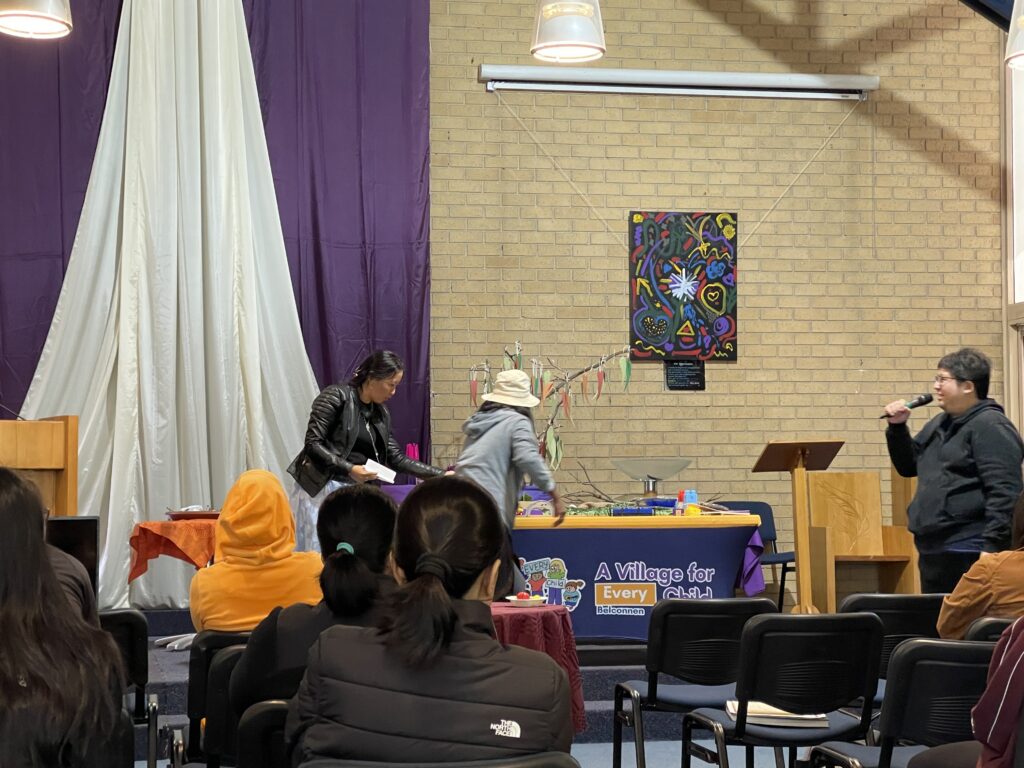
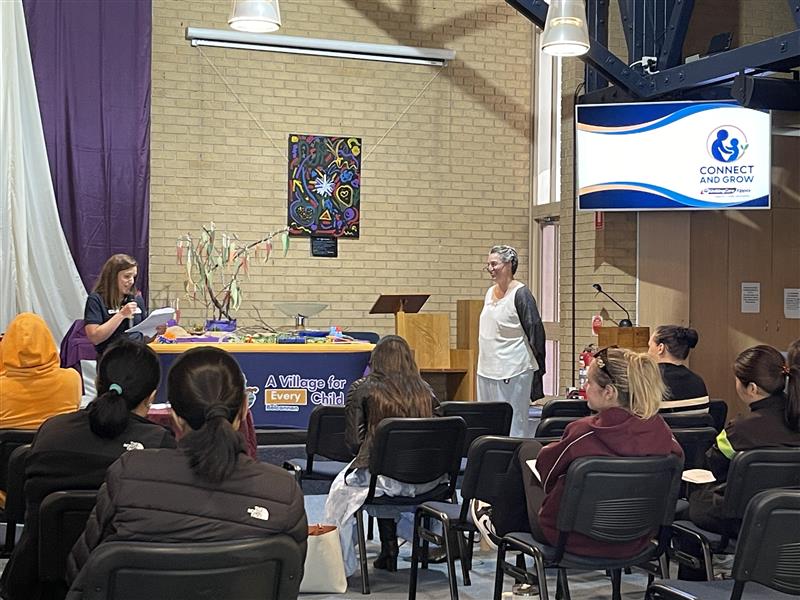
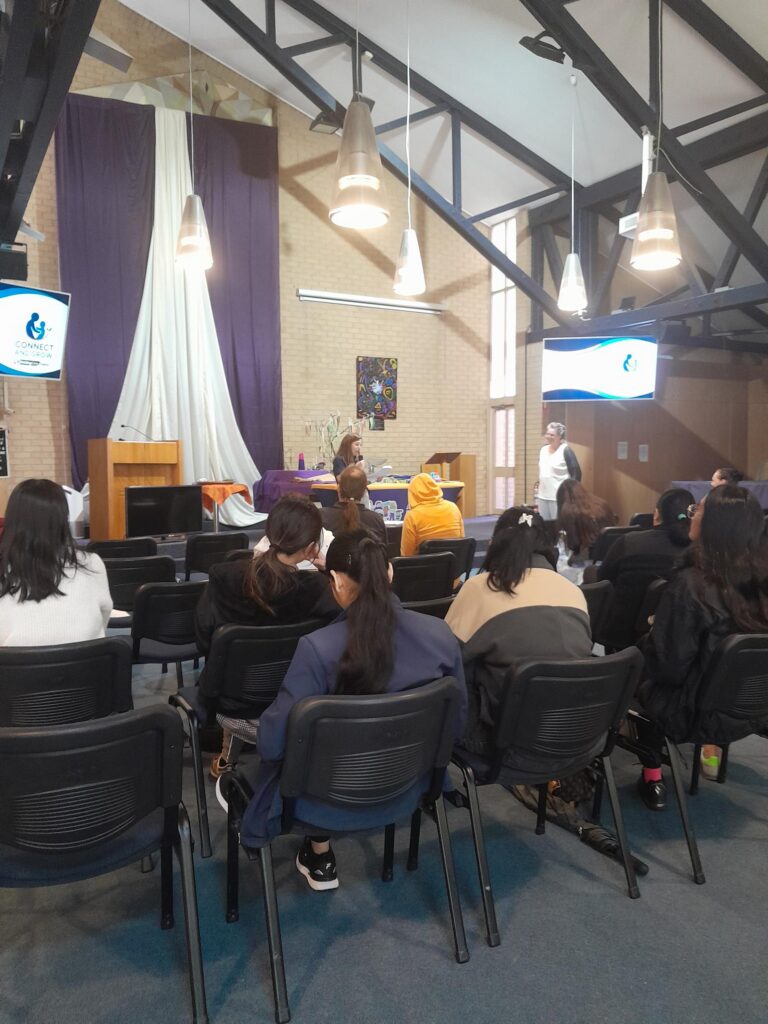
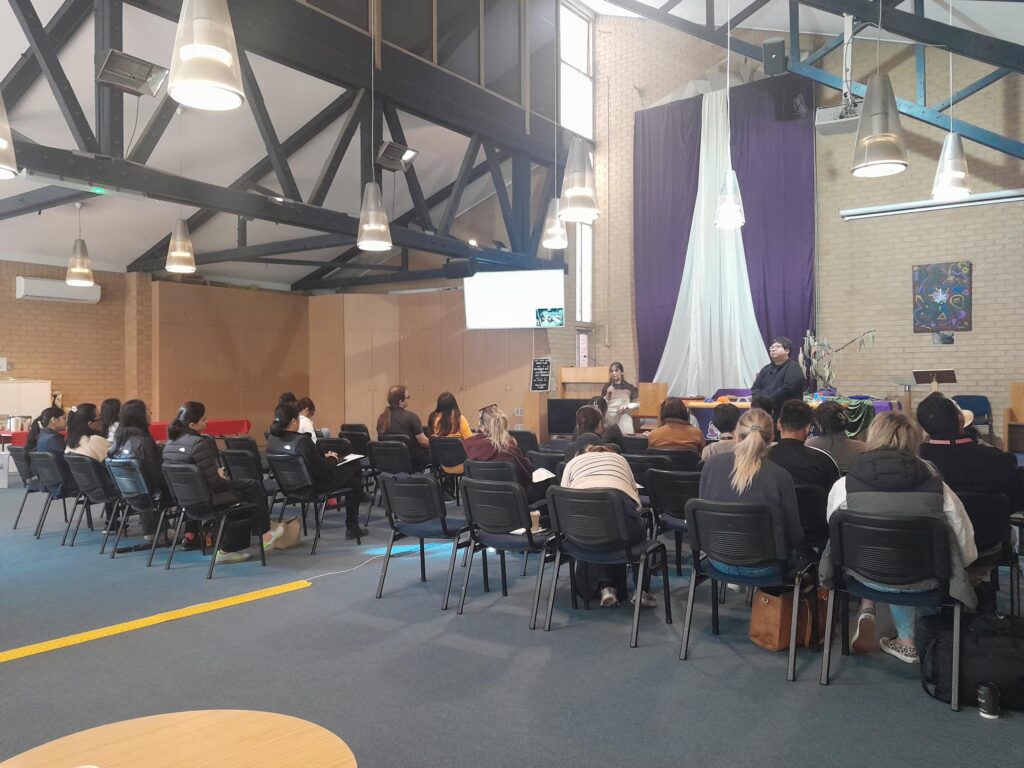
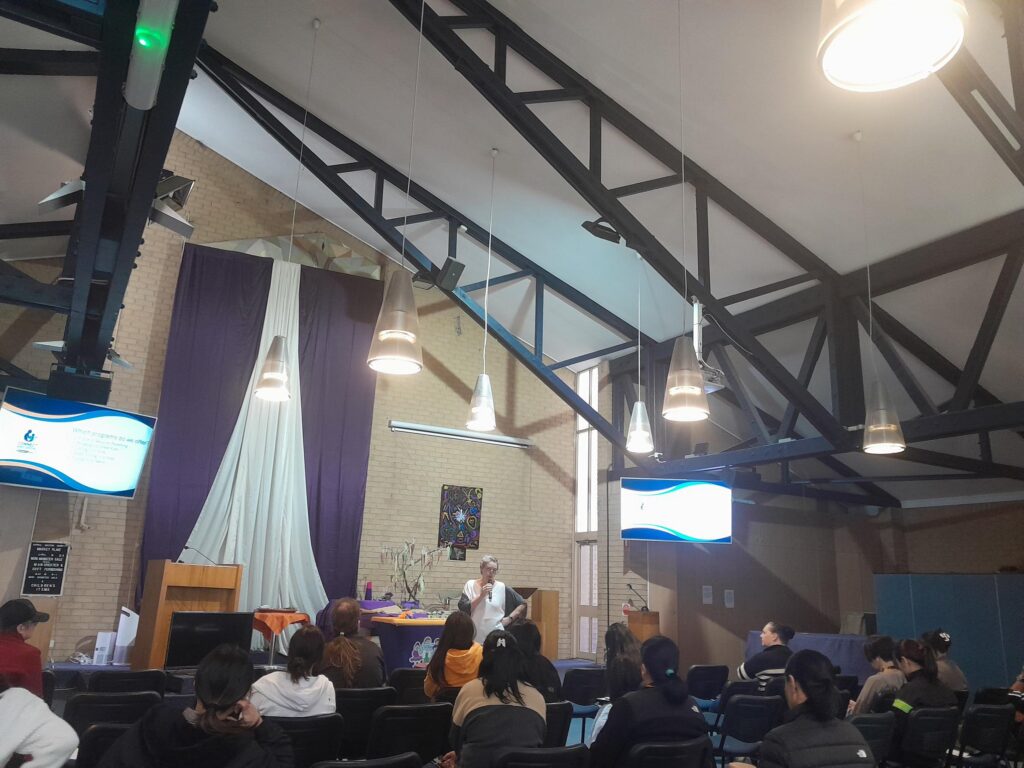
    Even on a rainy day (March 27), families, educators, and services showed up.

    Some came in person. Others joined online. The weather was not ideal, but both the room and the virtual space filled quickly.

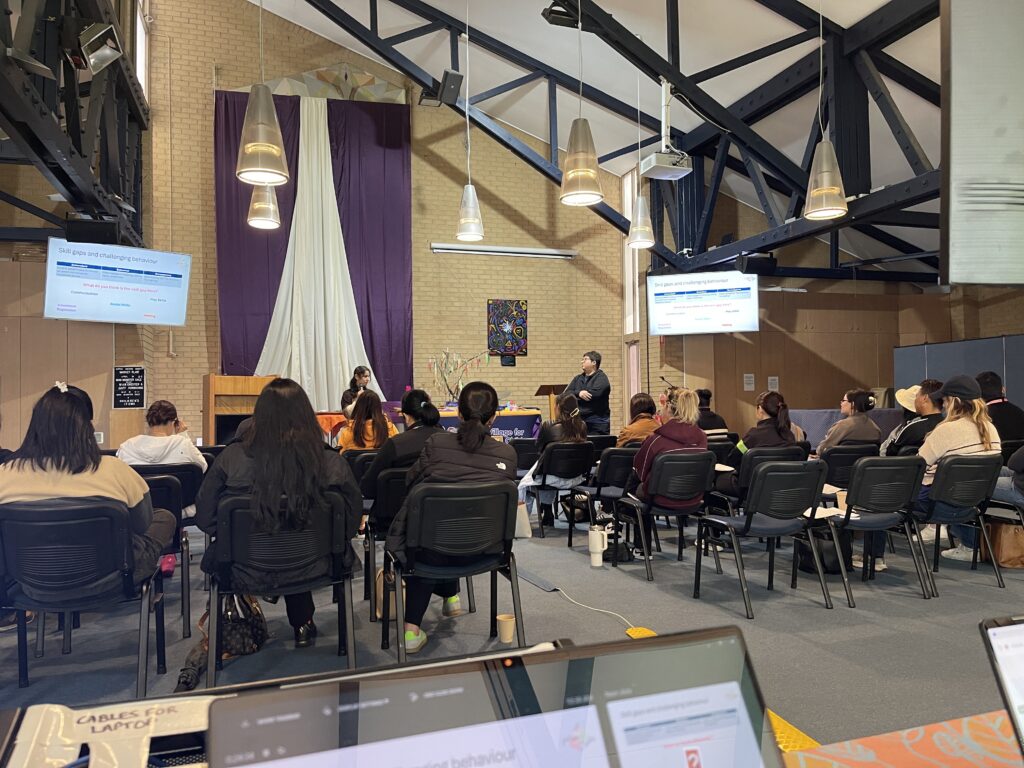
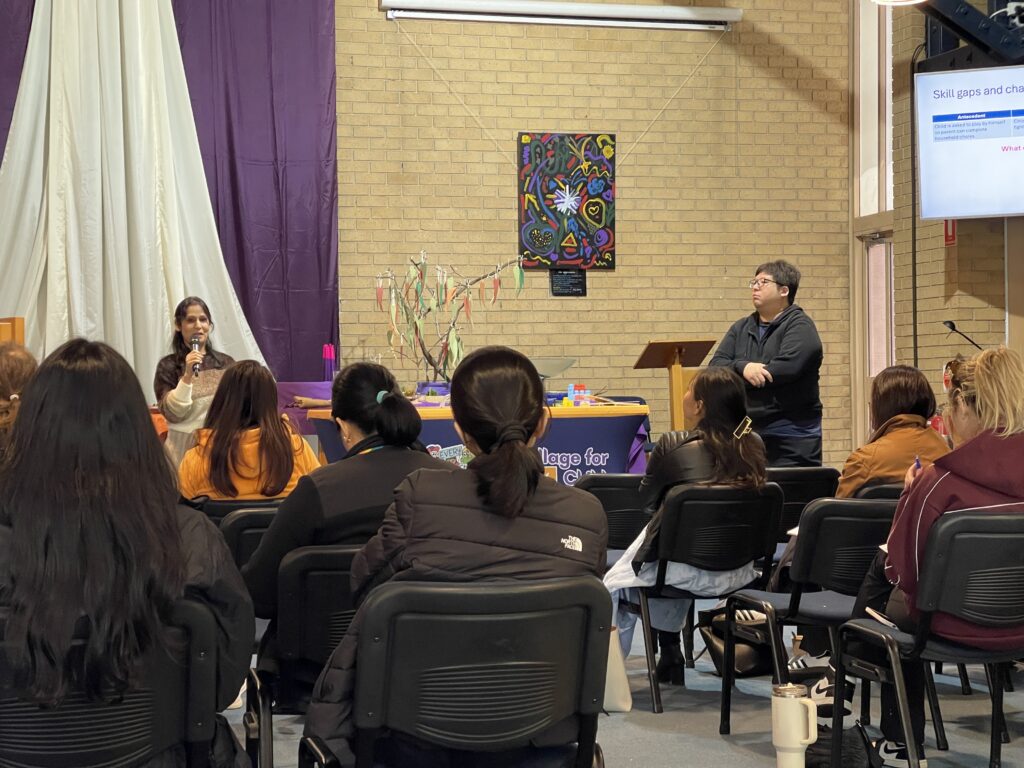
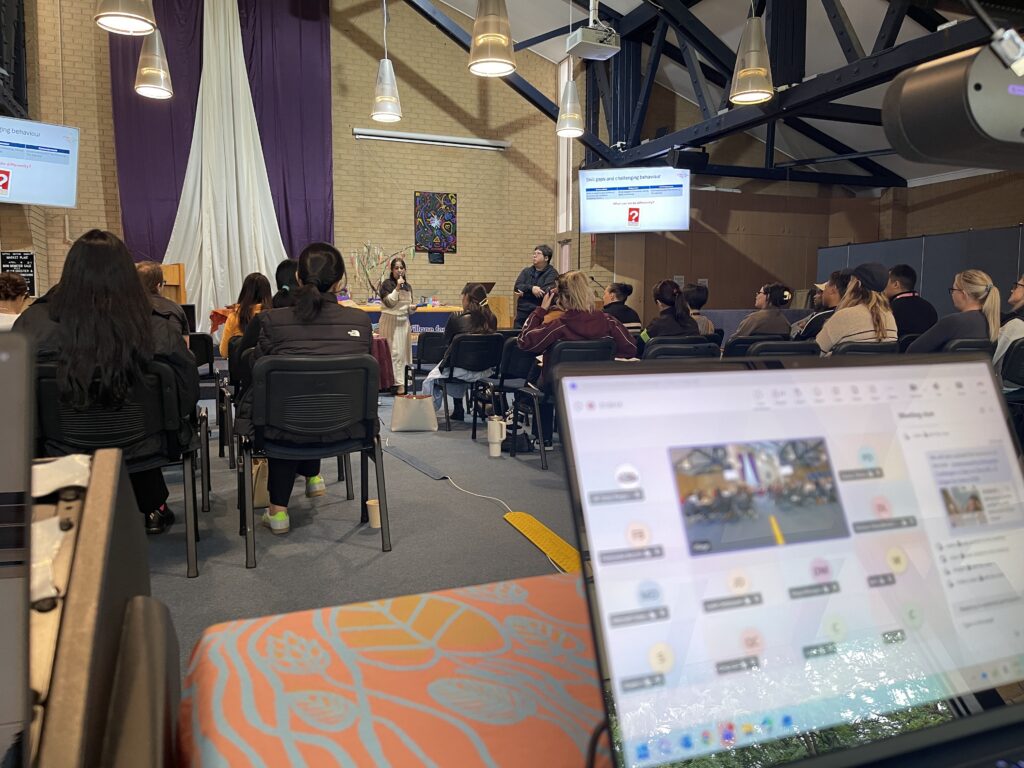
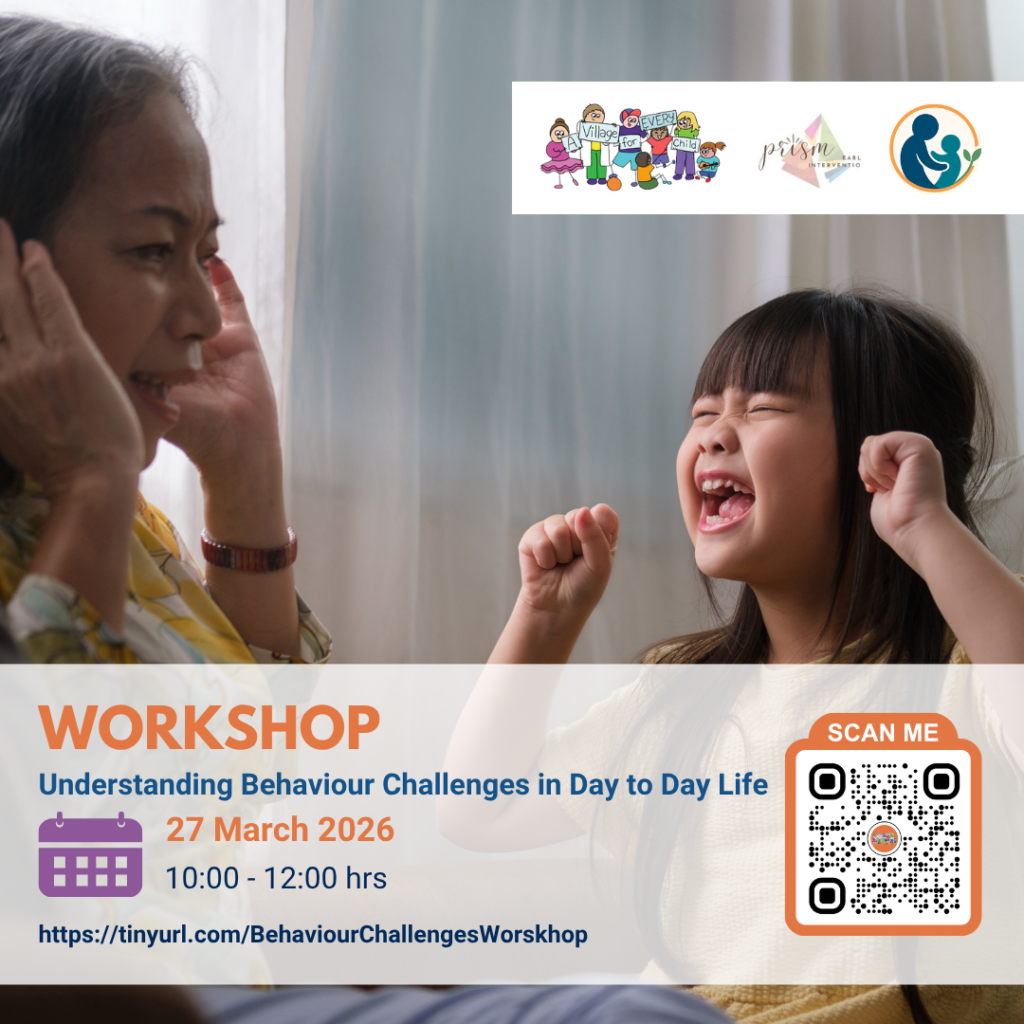
    Village hosted its first Connections workshop of 2026, Understanding Behaviour Challenges in Day-to-Day Life, in partnership with Prism Early Intervention and the UCK Connect and Grow program.

    The session focused on everyday moments that can feel confusing or overwhelming. A child learning to express emotions and parents trying to teach, model and support this healthy expression. The question many parents carry, “am I doing this right?”

    Attendance was strong, but what mattered more was how people engaged. Some early childhood centres joined together online, with educators gathered around a single screen. They listened, discussed, and took the conversation back into their own settings.

    One ECEC centre shared,
    “I think this will be great… thank you for being so across professional development for us, we are so lucky….”

    Interest extended beyond those who attended. Several parents reached out, asking if the session would run again.

    One parent wrote,
    “I don’t think I’ll be able to make it… I’m so interested though. Is there any possibility there’ll be another session?”

    During the session it became clear that families are not only looking for strategies. They are looking for a way to understand behaviour differently, and to feel more confident in how they respond.

    People listened to each other, shared experiences and recognised parts of their own story in someone else’s.

    This sits at the centre of the Connections work. Providing information while also creating spaces where families and services can come together in a way that feels supportive and real.

    The strong turnout, both in person and online, points to a growing need for these kinds of conversations. One workshop can start something. Ongoing connections is what helps it continue.

    For more information, please visit https://belconnenvillage.org.au/event/understanding-behaviour-challenges/